Soccer Definitions that Begin with the Letter I or J
You Can Use the Dictionary to Navigate
The links below as an example of the internal links that make SoccerHelp Premium easy to use. Premium has 1,500 pages, 5,000 links and 70 exclusive SoccerHelp Practice Games. Click here for Premium Pricing and Subscription Options View a Copy of the Premium Home Page
I
Impeding - "Impeding the Progress of an Opponent" is an "Indirect Kick Foul" in soccer (see "Fouls, Indirect Kick, Impeding The Progress Of An Opponent"). This used to be called "obstruction". Generally, a player cannot use his body to impede another player's movements, even if it is not deliberate. This can be called if a player is not within "playing distance" of the ball (i.e., 3 feet) and block's an opponent's movement or screens an opponent from the ball. However, if a player is within playing distance & able to play the ball (meaning not laying on the ground), the player can legally screen an opponent from the ball. (You usually see this when a ball is going out of bounds & the player whose team will get the throw-in screens the opponent so the opponent can't save the ball). The rule also applies to "innocently" impeding the goalkeeper by standing in front of him when he has the ball. Soccer Impeding
Indirect Attack - See "Attacking" & "Direct Attack". Soccer Indirect Attack
Indirect Free Kick - (aka "Indirect Kick"). A type of "free kick" given after minor fouls such as obstruction. On an indirect kick, another player (on either team) must touch the ball before a goal can be scored. Question: "How do you know if a free kick is indirect?" Answer: "The referee will raise his arm above his head and leave it up until the ball is kicked". On an indirect kick you should have one player gently tap the ball so another player standing behind the ball can kick it; or pass it to someone who shoots it. If on an Indirect Free Kick the ball is kicked into the goal without anyone else touching it (other than the kicker) the goal does not count and the other team is awarded a goal kick. However, if the ball is touched by a player on either team, including the goalkeeper, before it goes into the goal, the goal counts.(See "Free Kick" & "Fouls"). Soccer Indirect Free Kick
Indirect Kick Foul - See "Fouls". Soccer Indirect Kick Foul
Indoor - Indoor Soccer
Injuries - If a player is injured, play will continue until the whistle is blown. The referee will stop the game if a child appears to be seriously hurt or if there is blood. If the game is stopped for injury, you should have your players immediately stop and sit or kneel down where they are. It is recommended that each coach become familiar with the proper procedures in the event of an injury. An injured player should sit out and receive appropriate treatment. Soccer Injuries
Injury Time - See "Stoppage Time". Soccer Injury Time
Inside-of-Foot Hook - (aka "Cutback"). See "Cutback". Soccer Inside-of-Foot Hook
Inside-of-Foot Pass - This pass is most often struck with the rear of the arch (under the anklebone) and is called a "push pass" if there is a follow through, as opposed to a jabbing motion. It is the most accurate and most frequently used pass. A pass can also be made with the front of the inside-of-foot, but that pass is more difficult, because it is struck with a smaller area of the foot and it is more difficult to keep the foot rigid while striking the ball. By comparison, the area under the anklebone is a larger, firmer surface. (See "Push Pass"). Soccer Inside-of-Foot Pass
Instep - (aka "Laces"). See "Laces". Soccer Instep
Inswinger - (aka "Banana Kick"). See "Banana Kick". Soccer Inswinger
J
Jockeying - (aka "Shepherding", "Steering", "Channeling" and "Defensive Containment"). A type of one vs. one defense used by the "First Defender" to contain and "steer" the "First Attacker". See SoccerHelp Premium for a detailed description of how to teach jockeying and defensive footwork. Soccer Jockeying
John Wooden Quotes - Motivational quotes for soccer coaching Soccer John Wooden Quotes
Juggle - Or Juggling. A training technique to teach touch & ball control, where any part of the body except the arms is used to strike the ball upward & the player sees how many times he can "juggle" it before it hits the ground. Soccer Juggle
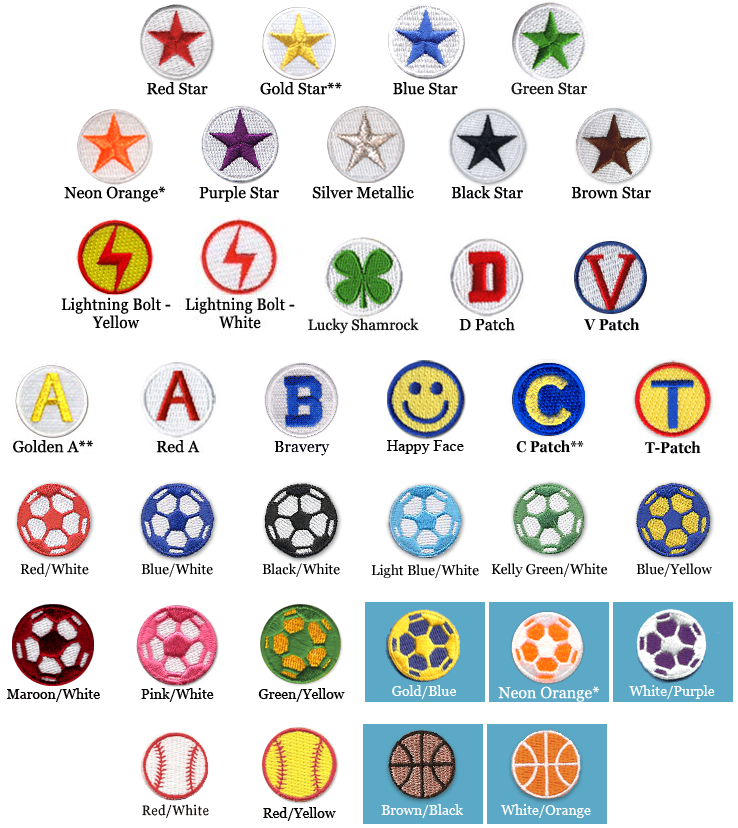
See prices for our iron on Motivational Soccer Patches